Grand Canyon is famous enough that many people think they already know it before they go. They have seen the overlooks, the red walls, the river in the distance. Then they arrive and realize the real surprise is not the color of the rock. It is the scale. The canyon does not reveal itself all at once. It takes a few minutes before your eyes begin to sort the layers, the shadows, and the distance. That delay is part of why the place stays with people.
Grand Canyon is better the longer you look at it
It is one of those places that does not peak in the first photo. Light, shadow, and depth need a little time to register.
People plan too many stops and not enough stillness
One good overlook with twenty quiet minutes usually beats a rushed list of viewpoints.
Choose the trip shape before choosing the product
South Rim, West Rim, and air tours are different kinds of days, not small variations of the same outing.
Morning, late light, and changing weather help
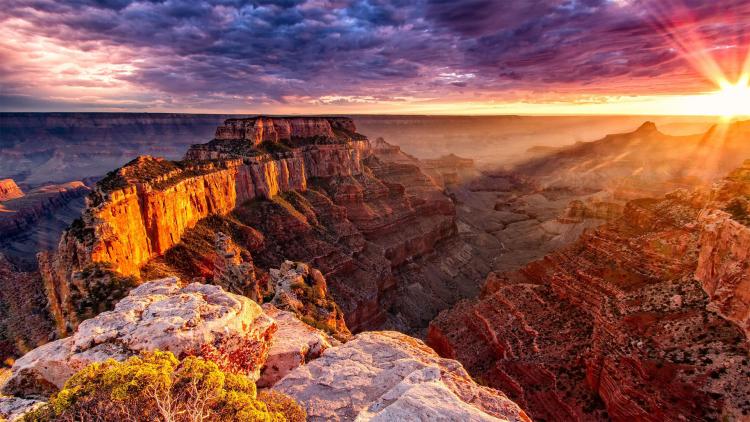
Midday is not always the canyon at its best. Angled light usually gives the landscape more depth and tension.
Why Grand Canyon Feels Different From Other Famous Places
A lot of famous places are front-loaded. You step out of the car, see the view, take the photo, and you have basically understood the place. Grand Canyon does not work like that. The first look is usually impressive, but slightly confusing too. Walls that seem close are far away. The Colorado River often looks like a thin line rather than the force that carved everything around it. What seemed like one canyon in photos turns out to be a huge system of side canyons, buttes, terraces, and shifting layers of color.
That is why the canyon improves with time instead of peaking in the first thirty seconds. When the light changes, the whole shape changes. On bright flat midday hours, some first-time visitors are surprised that the canyon can look almost washed out. Later in the day, when shadows begin to cut across the walls, the depth becomes easier to read and the place feels more dramatic. Even the silence is different here. At the rim, the open space changes the way sound falls away.
The first honest reaction for many people is not "beautiful." It is "I did not realize it would feel this enormous."
That is also why the planning matters. If what you want is that classic first-time payoff, you should not choose the trip only by convenience. If what you want is a practical day from Las Vegas, you should not plan as if every Grand Canyon option feels the same on the ground. Pages like South Rim vs West Rim and Grand Canyon from Las Vegas are useful because they turn that vague excitement into the right type of trip.
Beyond the Postcard: The Canyon Is Not Just One Experience
One reason people end up on the wrong page when researching Grand Canyon is that they use the name as if it meant one standard experience. It does not. South Rim is where many travelers get the image they have carried in their heads for years: broad views, famous overlooks, and that unmistakable national-park feeling. West Rim is different. It is often chosen because it works better from Las Vegas, because the route is simpler, or because Skywalk is part of the appeal. Air tours are different again. They are less about standing still at the rim and more about seeing the landscape unfold from above.
That difference matters because people do not only choose a place here. They choose a rhythm. Some want a long, classic, destination-led day. Some want the cleanest day-trip logic possible. Some do not want the road to dominate the memory of the trip, so they are happier paying more for air time. Once you stop treating all Grand Canyon visits as interchangeable, the planning gets much easier.
What First-Time Visitors Usually Miss Before They Go
The most useful information about Grand Canyon is usually not the headline information. It is the stuff that affects how the visit feels once you are there. First, the rim can feel much cooler and windier than people expect, especially if they have mentally filed the whole region under "hot desert." Second, the canyon is a terrible place to rush. People often arrive with a list of viewpoints, shuttle stops, photo ideas, and side goals, then discover that the strongest moment of the day comes when they stop moving and just watch the light change.
There is also the living side of the canyon that many people do not picture in advance. Ravens often drift along the thermals right below the rim. Condors are not guaranteed, but even the possibility of seeing one changes the mood of the place. A passing storm can do more for the canyon than a clear sky at noon. And if you stay late enough for the crowds to thin, the mood changes again. Grand Canyon can feel public and monumental in the middle of the day, then unexpectedly quiet toward evening.
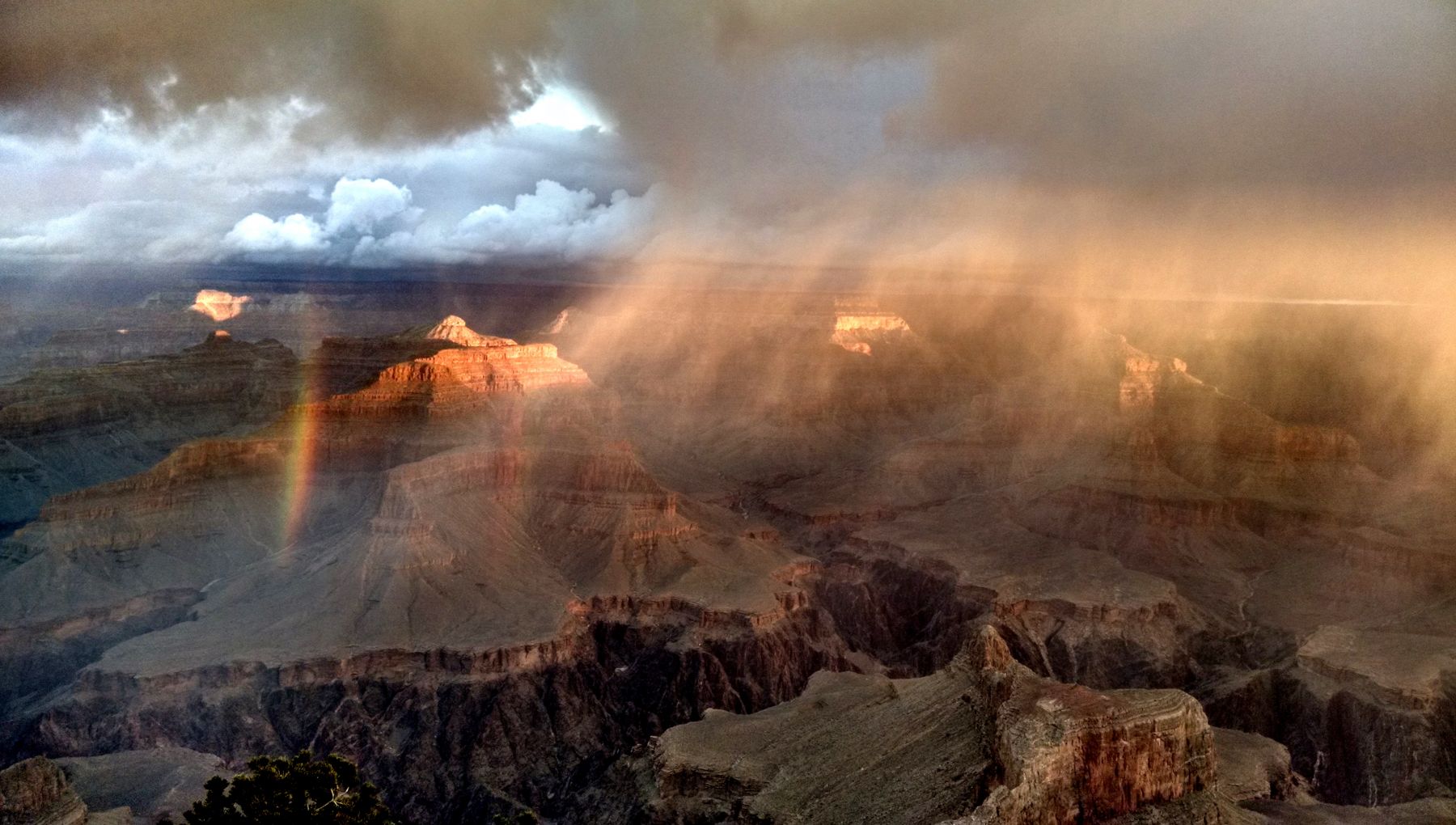
- The canyon usually looks stronger in angled morning or late-day light than in flat midday light.
- Weather changes the experience, not just the packing list. See Grand Canyon Weather.
- One good overlook with time to stay is often better than four rushed stops.
- Travel fatigue changes the quality of the day, which is why route logic matters before booking. See How to Get There.
Start with South Rim
This is usually the better fit if the main goal is the iconic Grand Canyon view rather than the easiest route.
Do not plan as if every option feels the same
Route length, fatigue, and day-trip practicality matter more here than they do on a generic destination list.
Question the one-day version early
If the schedule already looks crowded on paper, it usually feels worse in real life.
Stay later, look longer, do less
The canyon often becomes more personal once the day stops feeling like a checklist.
How to Shape a First Grand Canyon Trip Without Making It Feel Generic
The easiest way to flatten a Grand Canyon trip is to overbuild it. A better first visit usually has one clear center of gravity. Maybe that is the classic South Rim image. Maybe it is a manageable Las Vegas day that does not collapse under too much driving. Maybe it is the decision to make the canyon itself the highlight, not just one stop inside a crowded Southwest itinerary.
Once that is clear, the planning order becomes practical. Start with where the trip begins: Las Vegas, Arizona, or a larger road-trip loop. Then choose the rim or the air format. Then ask whether the day should stay focused, become an overnight, or move toward a premium shortcut. Only after that should you open the actual Grand Canyon Tours page.
- Start with the kind of day you want, not with package grids.
- Use South Rim vs West Rim if the canyon still feels too abstract to choose confidently.
- Use How Many Days for Grand Canyon if the schedule already feels crowded on paper.
- Use Best Time to Visit if weather, comfort, or crowd level will decide whether the trip suits you.
When the Canyon Feels Most Alive
Grand Canyon changes more with light and weather than many first-time visitors expect. Early light can make the place feel open and almost quiet. Late light usually brings out depth and texture that are hard to see at noon. Winter can make the canyon feel cleaner, sharper, and less crowded. Storms can be even better. A little weather puts moving shadow into the scene, and suddenly the place stops looking like a static landmark and starts looking alive.
That is the part many generic travel pages miss. Grand Canyon is not memorable only because it is big. It is memorable because it changes in front of you. The best moment might be a broad first look from the rim. It might also be a quieter detail: a line of shadow moving across a formation, a sudden drop in temperature, a raven cutting through the space below you, or the strange calm that arrives once the overlook stops feeling like a photo stop and starts feeling like a place.
Where to Go Next Once the Place Itself Makes Sense
By this point, the next click should be clearer. Stay in the planning layer if the route, rim, or day structure is still unclear. Move into the tours pages only when the shape of the trip already makes sense and you are ready to compare real formats.
South Rim vs West Rim
Best next read if the canyon already interests you but the actual rim choice is still unresolved.
Grand Canyon from Las Vegas
Use this if the trip needs to fit a Las Vegas schedule, hotel pickup logic, or a realistic day-trip frame.
Best Time to Visit
Use this when season, comfort, or crowd timing will change whether the trip feels magical or merely rushed.
Grand Canyon Tours
Move here only after the destination logic is clear and you are ready to compare actual products.